
Seafood has been an important part of the diet for coastal cultures, but only recently, with modern science’s discoveries, can its nutritional worth at large be fully appreciated. Far more than just another protein source, marine life foodstuffs – in the shape of fish and shellfish – are one of the most efficient ways of taking into your body compounds essential for good health in later years. The heart of this extraordinary characteristic lies in its special fatty acid profile, an especially high concentration of ‘omega-3 fatty acids’.
Again, omega-3 fatty acids, particularly Eicosapentaenoic Acid (EPA) and Docosahexaenoic Acid (DHA), are the superstars that separate seafood from just about every other common food type. These are essential fats – the body cannot make them effectively on its own and has to get them from your diet.
The Tiny Fishing Guide highlights how marine-sourced nutrients uniquely serve vital biological needs in the human diet, meaning that eating fish is a strategy for maintaining good health in advance rather than a last resort. This same strategy influences everything from cardiovascular function and eye health to brainpower and even sperm count.
This in-depth look will move beyond the broad guidelines of ‘eat fish’ and give a detailed, evidence-based analysis of how seafood – the main thrust of this book – keeps human beings fit. We shall explore the impact of these ocean-born nutrients on individual organ systems, answer consumer questions related to mercury and sustainability common concerns, and then give practical advice to really get all the potential health benefits of including various kinds of seafood in your diet.
The Essential Fatty Acid Marvel: DHA and EPA in Seafood
- Bioavailability of Omega-3: While plant sources (ALA) can only be transformed with great inefficiency (1-5%) into the biologically active forms (EPA and DHA), seafood directly supplies these and other information sources.
- HealthGuard Remedy: In addition to being structural components of cell membranes, EPA and DHA are also the precursors for anti-inflammatory molecules that moderate excessive cell inflammation throughout your body.
- Best Attitude to Combat Inflammation: Where marine fatty acids are regularly consumed in this way directly from seafood, the chronic low-grade inflammation so common in modern people will be blunted. This is seen as an originating cause of many chronic diseases.
- Where to Get Omega-3: Oily fish like salmon, mackerel and sardines are nutritional monsters, packing huge amounts of Omega-3s, many times over 1000 milligrams per serving–in small measures over long days to meet daily needs healthfully.
A Fortress for the Heart: Cardiovascular Benefits of Regular Seafood Intake

- Lessened Triglycerides: The omega-3 fatty acids obtainable in fatty fish are proven to alleviate blood triglyceride levels, which raise your odds for cardiovascular disease problems and metabolic syndrome.
- Rhythm Management: Oil derived from this source has an important function to oversee the cardiac rhythm and avoid sudden and lethal accidents caused by atrial fibrillation, according to lengthy medical research reports released in recent years (Yuping et al).
- Booming Circulation: Consumption of fish regularly is good for the blood flow in a variety of ways, one of which is to help reduce high pulse pressure and improve the contraction of blood vessels derived from endothelium. This makes our blood vessels flexible and healthy.
- Avoiding Clot Formation: A study by U.S. researchers at Harvard Medical School reported that eicosapentaenoic acid (EPA) and docosahexaenoic acid (DHA) are moderately anti-coagulant agents. This means they affect the activation of blood platelets and clot formation in arteries, helping to ward off coronary disease.
Fueling the Brain: Cognitive Function and Mental Health Support
DHA—up to 20% of the fatty acids found in the human brain’s cerebral cortex are essential for neurological health. As a result of this large proportion is why seafood consumption is necessary in every consumer’s life course. Consumption of DHA by pregnant women and young children helps form the optimal structure for children’s brains, as well as their vision.
For adults, seafood acts as a neuroprotectant that keeps neuronal membrane fluidity and signal transmission. This shield may be part of why it is associated with reduced risks for age-related cognitive decline, dementia and Alzheimer’s disease. Also, Omega-3s’ anti-inflammatory effect seems to help in regulating mood pathways, supporting lower incidences of depression and anxiety among populations on higher seafood diets.
Beyond the Fat: Seafood as a Complete Micronutrient Powerhouse
In fact, in addition to Omega-3, seafood is packed with a lot more nutrients than most people realize, for which their modern diets are missing out completely. These fatty fish that dominate the seafood diet, such as salmon and avocado, are one of only the natural sources of Vitamin D. That ‘s exactly what our immune system needs to stay strong and calcify from the diet we eat it with. Besides, seafood is rich in B vitamins.
For example, it is a good source of vitamin B1 and B2 which can help the nerve function well also make DNA synthesis possible. Seafood is also a key dietary source for essential minerals. For example, Iodine is crucial in the human body’s production of thyroid hormone and its breakdown in metabolism. Selenium plays a robust role as well an anti-oxidant that neutralizes free radicals helping mankind to deal with oxidative stress brought on by their relentless activity. These attributes together mean that seafood becomes truly nutritious food indeed.
Seafood for Sight: The Protective Effect on Eye Health
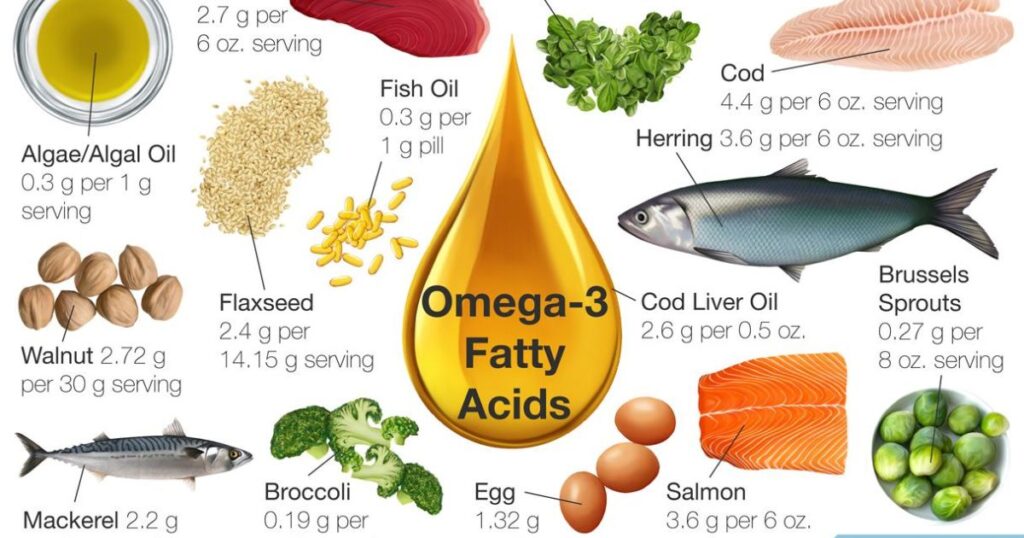
One of the highest concentrations of DHA in the entire body is found in the light-sensitive retinal layer at the back of your eye. For building blocks, this makes seafood an essential dietary item if you want to keep your vision sharp well into your old age. Throughout our entire life, an adequate dietary intake of DHA maintains the integrity and functioning of retinal cells.
For seniors, in particular, this nutritional protection is very important as consistent seafood intake has been epidemiologically associated with fewer cases of Age-Related Macular Degeneration (AMD) or “age-linked vision loss.” The many cells in the retina need their raw material, which seafood gives them, to maintain long-term ocular health.
Lean, High-Quality Protein: Seafood in Weight Management and Muscle Building
A good source of high-quality, complete protein seafood. Essential amino acids are the building blocks for protein, and the more of these avaialbe from food, any diet must naturally be higher in quality. Most fish and shellfish, especially the leaner kinds like cod, haddock and shrimp, are low in saturated fat and calories in comparison to their protein content. Such nutritional balance promotes sustainable weight management.(Even though the calorie content is relatively low, it gives you enough nutrients that lift your spirits) You won’t find a more slimming AND nourishing option!
Navigating the Risks: Mercury, Contaminants, and Smart Choices
At the same time, we must be very careful. The human body can gain methylmercury, a poisonous substance that can be harmful to health; in big, predatory and long-lived fish this is widespread inescapably. Yet most public health organisations agree that for most people the health benefits from eating fish, especially via Omega-3, are far greater than the risks. Smart choices must be made.
The risks include certain types of seafood that physically could be dangerous, such as salmon, shrimp, sardines and mouth-light whalefish, but the recommendations are to avoid products high in mercury, like a fish or king mackerel.These guidelines allow consumers to obtain the greatest nutritional benefits found in seafood by avoiding all related dangers.
Sustainability and Ethical Consumption: Securing the Future of Seafood
If the seafood industry as a superfood is to last a long time, then that will depend fundamentally on sustainable measures. Ethical aquaculture and improved wild fisheries management are helping to reduce the global dilemma of overfishing, habitat destruction. Echoing the need for change in these two areas is a sign of hope. With that said, individuals play a key role in this through their choice of sustainably-harvested seafood.
Often, such products carry certification labels they are certified free from values contrary to what is best for mankind; such as this would be the Marine Stewardship Council (MSC) label. When people make sure to eat sustainably, future generations will be able to reap the benefits of the sea. By steadfastly cultivating a sustainable approach to seafood consumption, the flora and fauna that come from it have provided life-enhancing nutrients for thousands of years in nature.
Frequently Asked Questions
What is the main powerhouse nutrient in seafood?
The main powerhouse nutrients are Omega-3 fatty acids, specifically EPA and DHA.
How often should an adult generally eat seafood for heart health?
Health experts recommend eating at least two servings of seafood per week.
Does eating seafood help with brain function?
Yes, the DHA in seafood is essential for supporting optimal brain structure and cognitive function across all ages.
Conclusion:
This journey into seafood’s nutritional architecture reveals a food source that is comprehensive, unrivalled and unique in nature. The nutritional value of seafood lies in its Omega-3 fatty acids, specifically EPA and DHA. These essential fats provide essential support for the most vital systems in our bodies: the heart, brain and eyes.
In addition to these essential fats, seafood provides a lean protein that is both complete and easily digestible for humans. Of these micronutrients, such as vitamin D, iodine, and selenium, seafood serves up the perfect mix. In practice, by consciously choosing from a variety of low-mercury sources that are all sustainable options, one can confidently harness the powerhouse that is seafood for fighting off inflammatory diseases. Seafood is not just another sort of product. The value of seafood’s pharmaceutical-grade nutrition gifts from the ocean can not be overemphasized.

With three years of dedicated expertise in the niche of fish, my domain knowledge encompasses breeding, habitat maintenance, health management, and sustainable aquaculture practices, ensuring optimal outcomes in the aquatic realm.